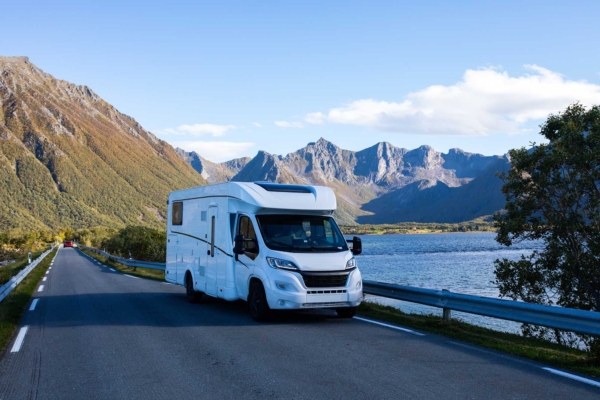
Outdoors Boom No More? Industry Now Lags Behind US Economy Overall
While economic growth of outdoor recreation slowed a bit in 2024, other indicators suggest Americans are more interested in getting outside than ever.
# The Great Outdoor Paradox: What the 2026 Slowdown Really Means for Your Adventures
The outdoor recreation industry is sending mixed signals, and if you're planning to invest in gear, experiences, or a lifestyle shift toward more time outside, you need to understand what's actually happening right now. While headlines about the "outdoors boom no more" are making rounds in 2026, the reality is far more nuanced—and potentially more interesting—than a simple slowdown suggests. Economic data shows that outdoor recreation growth lagged behind overall US economic expansion in 2024, yet consumer interest in hiking, camping, cycling, and water sports remains stubbornly strong. For American consumers trying to navigate where to spend money, what gear to buy, and whether outdoor pursuits are worth the investment in 2026, the answer requires looking beyond the surface-level numbers.
## The Numbers Behind "Outdoors Boom No More"
Let's start with what the data actually tells us. According to recent economic reports, outdoor recreation as a sector expanded more slowly in 2024 than the broader US economy, which grew at a steady clip. This marks a notable shift from the explosive pandemic-era growth years of 2020-2022, when Americans flooded parks and outdoor retailers couldn't keep merchandise on shelves. The Outdoor Industry Association noted that while participation rates remained solid, spending growth decelerated—a distinction that matters enormously for understanding the current landscape.
What caused this shift? Several factors converged. Inflation hit discretionary spending hard, pushing some consumers to think twice before dropping $500 on new camping equipment. Supply chains, while mostly normalized, still created occasional inventory gaps and higher-than-expected prices. Additionally, the easy gains—the surge of new outdoor participants during the pandemic—have plateaued. You can't have explosive growth forever; markets eventually mature.
But here's the critical part of the outdoors news 2026: the slowdown doesn't mean collapse. Participation numbers remain robust. Americans are still buying gear, still taking trips, still seeking time in nature at historically elevated levels compared to pre-2020 baselines.
## Why Consumer Interest Remains Strong Despite Economic Slowdown
The apparent contradiction—slower growth but sustained interest—reveals something important about outdoor recreation's evolution. The initial boom attracted millions of casual participants and curious observers. Now, 2026 represents the industry's maturation phase, where growth comes not from explosive expansion but from deepening engagement and higher spending among committed enthusiasts.
Several trends support this outlook. First, younger demographics (Gen Z and younger millennials) show stronger outdoor participation rates than their predecessors, suggesting the industry's long-term foundation remains solid. Second, the shift toward experience-based consumption—where Americans prioritize spending on activities and memories rather than material goods—continues to favor outdoor recreation. Third, environmental consciousness and mental health awareness have made outdoor time less of a luxury and more of a perceived necessity.
Weather patterns and changing seasonal dynamics have also influenced behavior. Unpredictable conditions and extreme weather events in certain regions pushed some consumers toward more reliable, nearby outdoor options rather than expensive destination trips, redistributing spending rather than eliminating it.
## The Best Outdoors Boom No More Strategy for Consumers in 2026
If you're evaluating whether to invest in outdoor gear, experiences, or a major lifestyle change, your approach should account for the current economic environment. Here's what makes sense:
**Focus on quality durability over quantity.** With prices elevated and growth slower, buying fewer, higher-quality items pays dividends. A $400 tent that lasts 15 years beats three $200 tents that fail in five.
**Leverage off-season deals.** Slower industry growth means retailers are more aggressive with discounts during shoulder seasons. Spring and fall shopping often yields 20-30% savings compared to peak summer months.
**Prioritize accessible outdoor activities.** Day hikes, local park exploration, and community-based outdoor groups cost far less than destination travel. The psychological and health benefits remain identical.
**Consider rental and secondhand markets.** Both have expanded substantially. Renting equipment for occasional trips avoids the capital expenditure, while the secondhand market offers high-quality gear at substantial discounts.
## Outdoors Boom No More Guide: What's Changing in the Industry
The outdoor recreation sector is restructuring around new realities. Equipment manufacturers are focusing on durability and multi-use functionality—fewer specialty items, more versatile gear. Rental platforms have proliferated, particularly for expensive items like camping trailers and high-end bicycles. Local outdoor outfitters are experiencing a resurgence as consumers seek personalized advice and community connection rather than pure price competition.
Subscription models are gaining traction, from annual park passes to gear-rental services. This shift toward access over ownership reflects broader consumer behavior and makes outdoor recreation more affordable for budget-conscious participants.
## Bottom Line
The outdoors boom no more narrative is technically accurate but profoundly misleading—what's actually occurring is a normalization of the outdoor recreation market after pandemic-era excess. Americans remain deeply engaged with outdoor activities, but they're shopping smarter and seeking better value. For consumers, this is actually advantageous: prices are stabilizing, quality competition is intensifying, and entry barriers to outdoor pursuits are dropping through rental platforms and secondhand markets. Start your 2026 outdoor plans by assessing your actual needs, investing in durability, and taking advantage of a market correction that's putting better opportunities within reach.
Source: gearjunkie.com