The Fight Over This National Monument Could Forever Shape Public Lands
A lawsuit over Chuckwalla National Monument in California could threaten a major way that new public lands are created.
# The Fight Over This National Monument Could Forever Shape Public Lands
Here's why you should care about a dusty monument in the California desert: the lawsuit brewing over Chuckwalla National Monument represents the most significant legal challenge to presidential land protection powers in decades, and the outcome could determine whether future administrations can shield millions of acres of American wilderness from mining, drilling, and development. If you've hiked a national monument, fished on protected federal land, or simply appreciated that certain landscapes remain wild, the 2026 court decisions unfolding right now will affect your access, your tax dollars, and your children's inheritance of America's natural heritage.
The fight over this Chuckwalla case isn't just another environmental dispute. It's a constitutional showdown with teeth, and the American public is largely unaware of its implications.
## What's Actually at Stake: The Legal Architecture of Land Conservation
The dispute centers on the Antiquities Act, a 1906 law that grants presidents the power to designate federal lands as national monuments without congressional approval. Since Theodore Roosevelt used it to protect the Grand Canyon, every president—Republican and Democrat alike—has wielded this authority to preserve everything from Utah's Bears Ears to Colorado's Camp Hale and Wyoming's Baaj Nwaavjo I'tah.
But here's where the fight over this 2026 legal challenge becomes crucial: opponents argue that recent monument designations exceed presidential power, claiming the Antiquities Act only permits "minimal" land protections for objects of historic or scientific interest. Conservative legal groups backing the Chuckwalla lawsuit want courts to dramatically shrink what presidents can protect—potentially opening tens of millions of acres currently safeguarded as monuments to future exploitation.
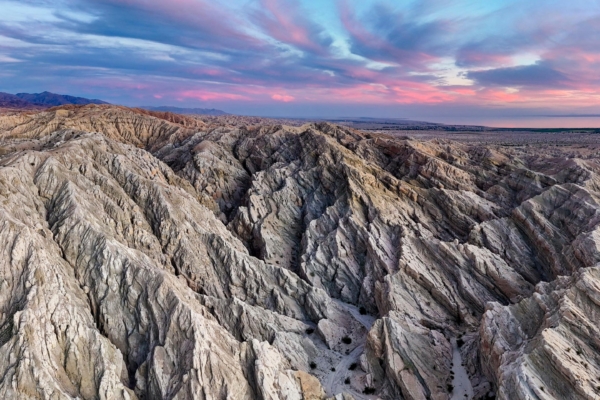
Chuckwalla National Monument itself, designated in 2023 across 1.28 million acres of California's Colorado Desert, contains crucial habitat for the desert tortoise, bighorn sheep, and desert chia plants found nowhere else on Earth. The monument also sits atop significant lithium deposits—the mineral essential for electric vehicle batteries—making the timing of this lawsuit less coincidental and more strategic.
## The Best the Fight Over This Guide: What American Consumers Need to Know
If you're wondering why this matters beyond environmental ethics, consider the practical implications:
**For Outdoor Enthusiasts:** The outcome directly affects your future access to hiking, camping, and hunting on federal lands. Monument designations often provide legal protections that prevent motorized vehicles and resource extraction, preserving quieter recreational experiences. A court ruling limiting presidential authority could flip that equation, potentially opening currently protected areas to off-road vehicle use, mining exploration, and commercial development.
**For EV Buyers:** The Chuckwalla dispute connects directly to America's energy transition. If lithium mining becomes viable in currently protected monuments, domestic EV battery production could expand—theoretically lowering consumer costs and reducing reliance on foreign lithium supplies. However, mining on sensitive desert terrain raises environmental and water concerns that could prove far more expensive than allowing imports.
**For Taxpayers:** Monument land disputes consume millions in litigation costs annually. The Government Accountability Office reports that federal agencies spent over $200 million defending land policies between 2015 and 2023, with taxpayers ultimately funding both sides of these legal battles.
## Outdoors News 2026: What the Courts Will Actually Decide
The central legal question appears straightforward but carries enormous weight: Does "the smallest area compatible with the proper care and management of the objects to be protected" (the Antiquities Act's requirement) mean monuments must be tiny and focused, or does it allow for larger protective buffers around culturally and ecologically significant areas?
Lower court rulings have already suggested federal judges are taking the restrictive interpretation seriously. According to legal analysis from environmental organizations tracking these cases, we should expect Supreme Court involvement within two to three years. The court's current conservative majority has shown skepticism toward expansive federal environmental powers, making a landmark ruling possible.
Predictably, conservation groups, tribal nations, and outdoor recreation companies oppose restrictions on presidential authority, arguing that limiting monument designations will accelerate habitat loss and climate-related biodiversity collapse. Meanwhile, extractive industries, property rights advocates, and several Western states support narrower interpretations that would preserve development opportunities.
## Bottom Line
The 2026 litigation over Chuckwalla National Monument will likely reshape how America protects its public lands for generations to come—potentially restricting future presidential authority to designate monuments and opening protected areas to mining and drilling. Whether you care about desert tortoises, electric vehicle affordability, or preserving quiet places to camp with your family, paying attention to this legal battle isn't optional: it's how informed citizens protect what matters most.
Source: gearjunkie.com